film based on recollections
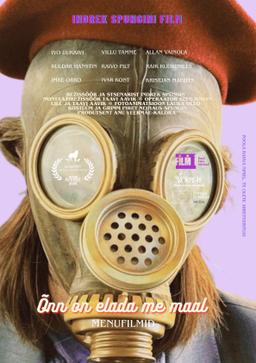
The punk band Velikije Luki stands up to Soviet power and defies hardships, until, with fortunate accidents and drunken bravado, it triggers the collapse of the Red Empire.
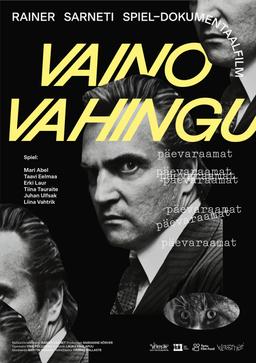
When love is the greatest torment, will art or play save you? A dramatic documentary about author Vaino Vahing.
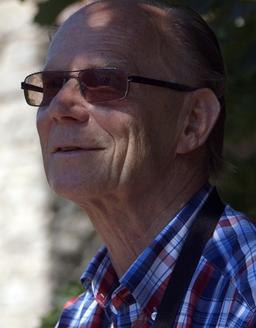
An old filmmaker Peep Puks has directed 61 documentaries and created almost 40 programmes for television. In this film, he looks back on stories of the first post-war generation of Estonia and the birth of the Estonian documentary.
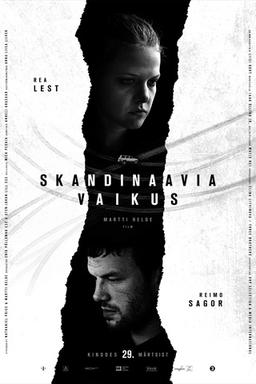
We never dreamt of a good life. We dreamt of a normal life.
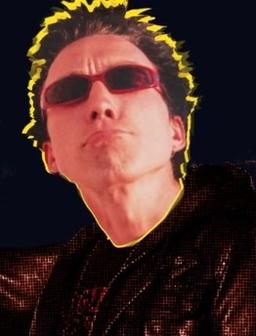
This is the story of the last genuine rock star and poet, of his work, and of the anatomy of a punk band.
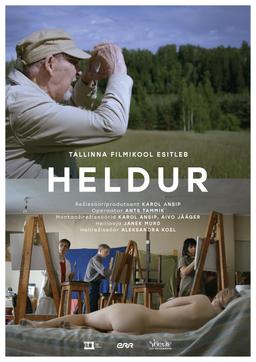
Shortly before Estonia regained its independence, a painting studio came into being, a studio that was guided by principles of painting that dated back to the First Republic. Heldur Viires, the leader and teacher of the school, has been passing on his knowledge of colour and light for thirty meaningful years.
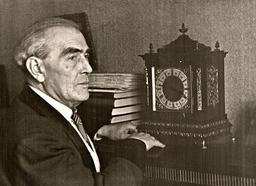
The biographical documentary about the renowned composer and lecturer Heino Eller also serves as a part of cultural history of Estonia. While following the story, we experience the most dramatic and cheerful moments of his life and Estonian history.
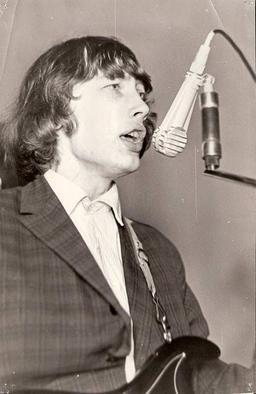
Documentary about Estonian rock music as a birth-story of a fresh thought in the contradictional Soviet cultural space.
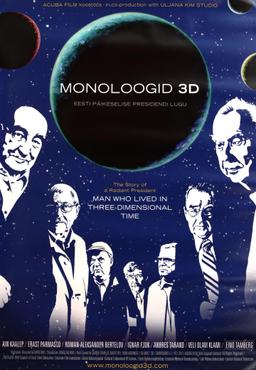
The documentary gives a minimalistic portrait about Lennart Meri, former President of Estonia, through the recollections by his contemporaries.
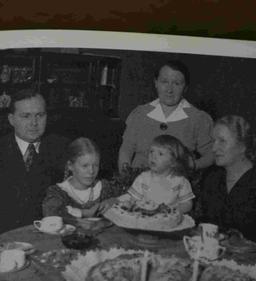
Documentary by Liina Triškina about the year of 1939 that was fateful for the republic of Estonia. The film studies the subjects of freedom and critical situations, doings and undoings.
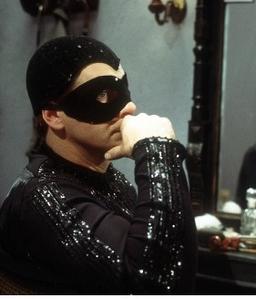
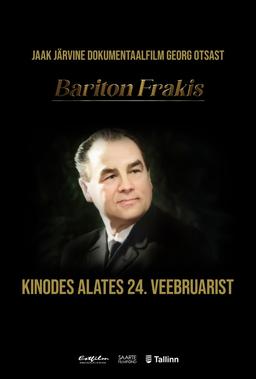
The drama directed by Peeter Simm tells the story about the life of Georg Ots - one of the most well-known Estonian opera singers of all times. The screenplay by Mati Põldre and Aleksandr Borodyanski is based on the memoirs of Asta Ots.
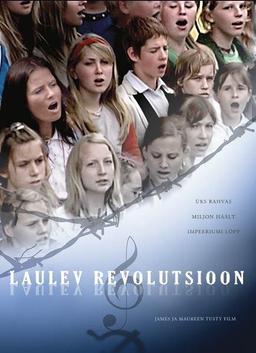
American film directors James Trusty and Maureen Castle Tusty regard Estonian Singing Revolution as the turning point of European history.

Documentary by Rein Karemäe and Valentin Kuik about the era when after the successful monetary reform in 1992 the Republic of Estonia switched to Estonian kroon and liberal market economy.
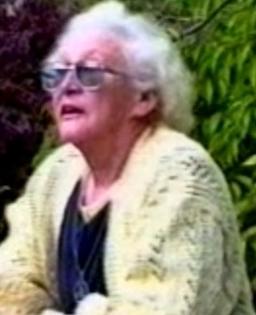
Efforts to preserve national culture: 11th Estonian Days in Melbourne, journalism and radio programmes in Estonian.
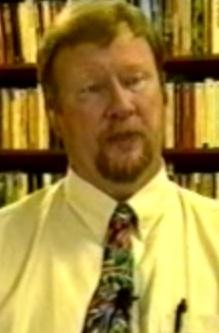
The second part of the film introducing the life of expatriate Estonians in Australia. Estonians recall their arrival to Australia and their first impressions of the country.
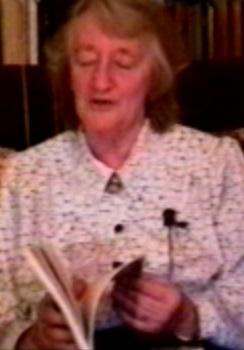
Expatriate Estonians in Wollongong and the history of further education schools in Australia.
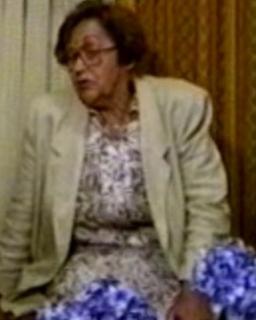
The expatriate Estonians in Thirlmere, Australia. Their history and present day.

Estonian community in Thirlmere, Australia. Their everyday life and historical events.
Documentary directed by Märt Müür about his family, deportation and meetings with people with similar destinies.
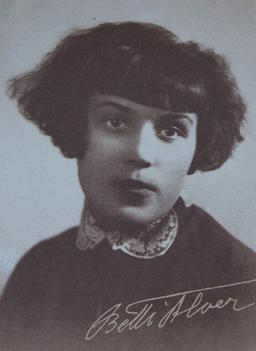
Recollective portrait documentary directed by Peep Puks about Betti Alver, Estonian writer, poetess and translator.
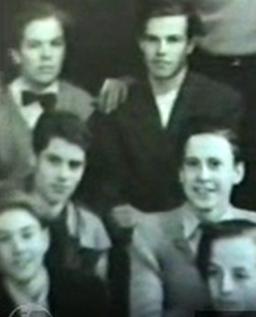
In May 1988, Enn Nõu recollects his studies. 35 years have passed since he graduated from the upper secondary school in Uppsala.
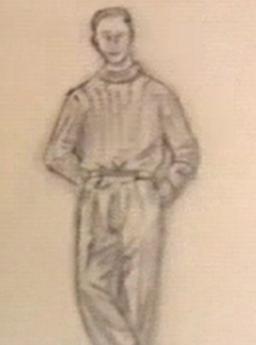
In May 1988, Enn Nõu recollects his studies as 35 years have passed since he graduated frmo the upper secondary school in Uppsala. Preparational meeting of the party, materials related to the former days at school.
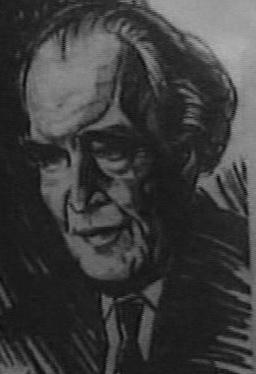
Documentary about composer Heino Eller, commissioned by the Ministry of Culture of Estonian SSR. The film is dedicated to the 100th birth anniversary of Heino Eller who was born on March 7, 1887.
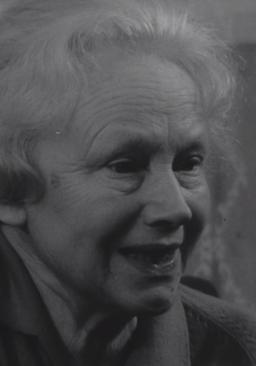
Documentary directed by Valeria Anderson about Johannes Lauristin, the chairman of the first ministers' council of the Soviet Estonia.
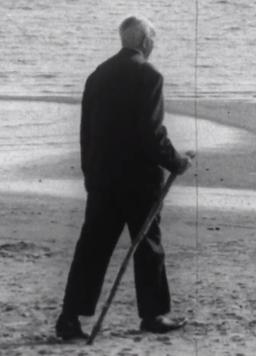
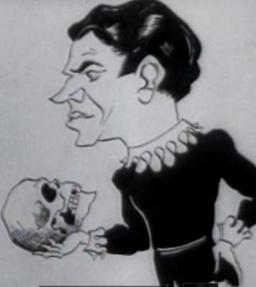
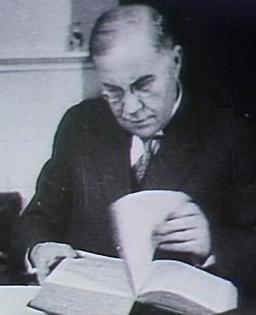
Portrait documentary about writer Eduard Vilde.